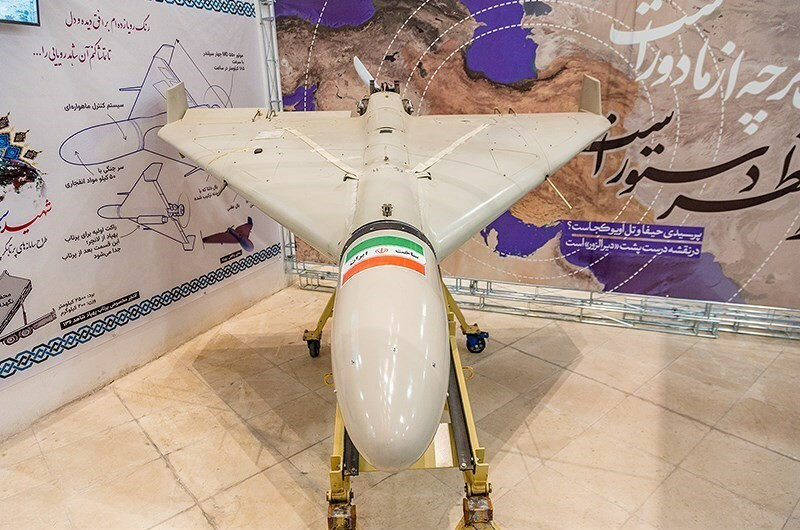
Shahed-136 Drones Hit Saudi Aramco: Energy Crisis Looms?
Reports have emerged detailing a significant incident involving alleged drone strikes on Saudi Aramco's critical energy infrastructure. According to the available information, the world's attention has been drawn to the Ras Tanura refinery, one of the globe's largest oil processing and export complexes, following a reported assault utilizing Shahed-136 drones. Eyewitness accounts cited within the context describe powerful explosions, resulting fires, and dense plumes of smoke billowing over the industrial site. This purported attack on such a vital node within the global energy network immediately raises alarms about potential disruptions to international oil supplies and the delicate stability of the market. The incident, as outlined in the reports, underscores a concerning escalation of regional tensions, with severe implications for the economic landscape and geopolitical balance.
The Strategic Target: Ras Tanura and Global Oil Flow
The choice of the Ras Tanura refinery as a target, as described in the reports, is strategically potent. Located in Saudi Arabia, this massive facility is not merely a refinery; it's an indispensable hub for processing and exporting a substantial portion of the kingdom's vast oil reserves. Its strategic role means that any significant disruption here could send shockwaves far beyond Saudi Arabia's borders, impacting the global economy and disrupting vital energy logistics chains. The incident concerning Iran's reported attack on the refinery highlights the vulnerability of critical infrastructure in a volatile region.
The stated motivation behind such an alleged action, according to the provided context, is Tehran's readiness to target infrastructure in countries perceived as supporting the United States and Israel. This perspective frames the attack not as an isolated event but as part of a broader, more aggressive stance against regional adversaries and their international allies. The potential for such strikes to inflict substantial economic damage on the kingdom and disrupt global energy flows represents a significant strategic calculus, suggesting a willingness to risk widespread destabilization to achieve specific geopolitical aims.
Saudi Air Defense Under Scrutiny: A Vulnerability Exposed?
A crucial element within the reported scenario is the alleged performance of Saudi air defense systems. Preliminary information suggests that Saudi air defense forces were unable to fully intercept the incoming drones, allowing impacts on the refinery's premises. This reported failure brings into sharp focus the growing vulnerability of key energy nodes to modern Unmanned Aerial Systems (UAVs) like the Shahed-136. Experts, as cited in the provided context, assess the threat level as "extremely high," prompting questions about the urgent need for a reassessment and enhancement of strategic object protection within the kingdom.
The silence from Riyadh regarding the official scale of destruction or any casualties among plant personnel, as noted in the reports, adds to the uncertainty and underscores the sensitive nature of the situation. This lack of immediate official confirmation, while potentially tactical, leaves room for speculation and amplifies concerns among international observers about the true extent of the damage and its operational impact. The incident, if confirmed, would undoubtedly compel Saudi Arabia to conduct a thorough review of its defense capabilities against increasingly sophisticated drone threats, potentially driving significant investment in advanced anti-drone technologies. For a deeper dive into how such an event reveals regional vulnerabilities, consider reading Aramco Attack Reveals Saudi Vulnerability, Fuels Mideast Tension.
Lessons from the Incident: Enhancing Critical Infrastructure Security
Regardless of the full extent of the damage, the reported drone strike serves as a stark reminder for all nations with critical infrastructure. Protecting such assets requires:
- Advanced Detection Systems: Investing in state-of-the-art radar, acoustic sensors, and optical systems capable of detecting small, fast-moving drone threats at various altitudes.
- Multi-layered Defense: Implementing a combination of kinetic (e.g., anti-aircraft guns, missiles) and non-kinetic (e.g., electronic warfare, signal jamming) countermeasures.
- Integrated Command and Control: Ensuring seamless communication and coordination between different defense units and agencies.
- Intelligence Sharing: Collaborating with international partners to share threat intelligence and best practices for countering drone attacks.
- Physical Hardening: Where feasible, strengthening the physical resilience of key components within critical facilities against potential impacts.
Ripple Effects: Oil Prices, Energy Crisis, and Regional Escalation
The direct consequences of such an alleged attack on Ras Tanura are projected to be significant for global energy markets. The international community, as described in the provided context, anticipates a sharp rise in oil prices due to likely interruptions in fuel supplies. While initial reports within the context suggest that a "small, localized fire" was brought under control and plant activities were "temporarily halted," even a brief cessation of operations at such a pivotal facility can trigger market instability and price volatility. This potential for supply disruption creates preconditions for what could evolve into a global energy crisis, especially given the existing complexities of the international energy landscape.
Beyond economic ramifications, the incident carries a grave risk of further regional escalation. The prospect of Saudi Arabia being drawn into an open military conflict with Iran, especially against the backdrop of ongoing hostilities elsewhere in the Middle East, is a deeply unsettling one. The world awaits an official reaction from the Saudi side, which will undoubtedly set the tone for the subsequent level of escalation. The situation in Ras Tanura, as detailed in the reports, underscores Iran's perceived readiness to strike at the economic heart of its adversaries, irrespective of the looming threat of a broader, more destructive war. For an in-depth look at the potential global oil impact, refer to Iran's Drone Attack on Aramco Ras Tanura: Global Oil Impact.
Broader Context of Regional Tensions: A Pattern of Retaliation?
The reported drone attack on Saudi Aramco does not occur in a vacuum; it is presented within a broader narrative of heightened regional tensions and a series of retaliatory actions. According to elements within the provided context, the alleged strike follows other significant developments. For instance, reports indicate that on February 28 (of an unspecified year within the described scenario), Israel's Defense Minister announced the commencement of a joint operation with the United States targeting Iran. This declaration, if accurate, could serve as a major flashpoint.
In response to such an operation, the context describes alleged retaliatory strikes by Tehran. These reportedly included missile and drone attacks on American military bases situated across the Middle East, specifically mentioning facilities in Qatar, Bahrain, the UAE, Saudi Arabia, Kuwait, and Jordan. Further intensifying this complex scenario, the context also points to a reported incident on June 16, 2025, where Iran allegedly struck an Israeli oil refinery and launched significant missile attacks on Tel Aviv, causing damage to infrastructure and buildings. These reported events paint a picture of a region teetering on the brink, where actions and counter-actions rapidly escalate, with critical infrastructure and civilian centers becoming direct targets.
This pattern of alleged strikes and counter-strikes suggests a dangerous cycle of escalation, driven by deep-seated geopolitical rivalries and strategic ambitions. The use of advanced drones and missiles in these reported incidents highlights the evolving nature of modern warfare, where non-state actors or proxy forces can be leveraged, and asymmetric capabilities can inflict significant damage on conventional forces and economies. Understanding this wider context is crucial for appreciating the potential magnitude of the crisis facing the Middle East and, by extension, the global community.
Conclusion
The reported Shahed-136 drone attack on Saudi Aramco's Ras Tanura refinery, as outlined in the provided context, casts a long shadow over global energy security and regional stability. It underscores the profound vulnerability of critical infrastructure to sophisticated drone warfare and highlights the potential for such incidents to trigger significant economic disruption and geopolitical escalation. While the immediate operational impact was reportedly contained, the psychological and market ripple effects are profound. As the world grapples with the intricate web of Middle Eastern geopolitics and the escalating use of advanced weaponry, the question of whether a global energy crisis truly looms remains pertinent. Robust diplomatic efforts, coupled with enhanced defensive strategies for critical assets, are paramount to navigate this precarious landscape and prevent further descent into widespread conflict.