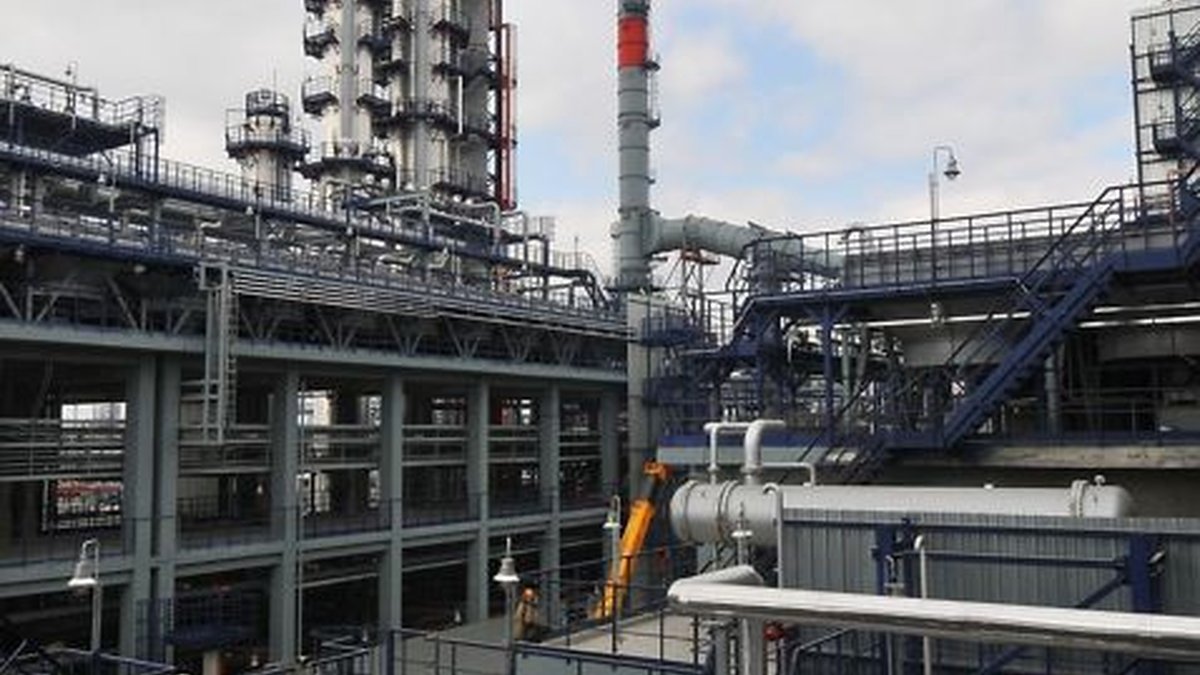
Iran's Drone Attack on Aramco Ras Tanura: Global Oil Impact
The recent drone assault attributed to Iran on Saudi Aramco's pivotal Ras Tanura oil refinery has sent shockwaves across the global energy landscape. This audacious strike, reportedly utilizing advanced Shahed-136 unmanned aerial vehicles (UAVs), targeted a facility that stands as a cornerstone of the world's oil supply chain, prompting immediate concerns about crude oil prices, energy security, and the escalating tensions in the Middle East. Eyewitness accounts described powerful explosions, subsequent fires, and plumes of thick smoke billowing over the industrial complex, underscoring the severity of the incident and its potential for widespread disruption.
Ras Tanura: A Critical Node in Global Oil Supply
The Ras Tanura complex in Saudi Arabia is far more than just another oil refinery; it is arguably the world's largest integrated oil processing and export terminal. Handling a significant portion of Saudi Arabia's immense crude oil output, its operational integrity is directly tied to the stability of global energy markets. From crude oil stabilization plants to shipping terminals capable of loading supertankers, Ras Tanura facilitates the smooth flow of millions of barrels of oil daily from the Kingdom's vast oil fields to consumers worldwide. A successful
Shahed-136 Drones Hit Saudi Aramco: Energy Crisis Looms? on such a strategic asset, even if limited in its immediate damage, underscores the fragility of global supply chains and the profound economic repercussions that could ensue from sustained disruptions. Any prolonged outage at Ras Tanura could severely curtail Saudi oil exports, triggering a substantial supply deficit and immediate price surges that would impact industries and consumers globally.
The Mechanics of the Attack: Shahed-136 Drones
The choice of Shahed-136 drones for this
Iran attacked refinery operation highlights a concerning trend in modern warfare. These "loitering munitions," often referred to as "suicide drones," are designed to fly towards a target area, often autonomously, and then strike upon detection. Their relatively low cost, ease of deployment, and considerable range make them a potent weapon for non-state actors and state proxies alike. The reported use of Shahed-136 drones against the Ras Tanura facility demonstrates an expanded geographical reach for these types of attacks, moving beyond previously targeted areas to strike at the very heart of critical infrastructure.
The immediate aftermath saw reports of explosions and fires, though initial reports from agencies suggested the fires were localized and swiftly brought under control. Nevertheless, the temporary halting of operations at parts of the facility, even briefly, illustrates the disruptive potential of such drone incursions. The effectiveness of these drones, coupled with their ability to penetrate sophisticated air defense systems, presents a significant challenge for the protection of vast, sprawling industrial complexes like Ras Tanura, which have numerous vulnerable points.
Saudi Arabia's Vulnerability and Broader Regional Tensions
The incident at Ras Tanura starkly highlighted perceived weaknesses in Saudi Arabia's air defense capabilities. Despite significant investments in advanced military technology, the alleged inability to entirely prevent the drones from reaching their intended targets raises serious questions about the protection of critical energy infrastructure. This vulnerability is a recurring theme, with past attacks on other Saudi oil facilities also exposing gaps in regional air defense networks. For more insight into this, consider reading
Aramco Attack Reveals Saudi Vulnerability, Fuels Mideast Tension.
This specific attack is not an isolated event but rather fits into a broader pattern of escalating regional hostilities. Iran's actions are consistently framed by analysts as a response to perceived threats and a display of its resolve against countries seen as aligned with the United States and Israel. Reports have indicated a wider campaign of strikes attributed to Iran, including rocket and drone attacks on American military bases across the Middle East – in nations such as Qatar, Bahrain, the UAE, Saudi Arabia, Kuwait, and Jordan – following the announcement of a joint US-Israeli operation against Iran. Furthermore, reports have also referenced strikes on Israeli targets, including a refinery and areas of Tel Aviv, suggesting a comprehensive strategy of economic and military pressure across the region. This aggressive posture contributes significantly to regional instability and underscores the complex web of geopolitical rivalries at play.
Ripple Effects on Global Oil Markets and Energy Security
The attack on Ras Tanura immediately triggered concerns within the international community regarding potential disruptions to global oil supplies. Historically, even the threat of supply interruptions from major producers like Saudi Arabia can send oil prices spiraling upwards. Given Ras Tanura's role as a primary export terminal, any sustained damage or operational halts could create a significant deficit in the market, leading to a sharp increase in crude oil prices. This surge would inevitably translate into higher fuel costs for consumers and businesses worldwide, impacting inflation, transportation, and industrial production.
Beyond immediate price fluctuations, the incident casts a long shadow over global energy security. Nations reliant on imported oil are forced to confront the vulnerability of their supply chains to geopolitical conflicts. This attack serves as a stark reminder that even geographically distant conflicts can have direct and tangible economic consequences for countries far from the immediate theater of operations. It compels governments and energy companies to reassess their strategic oil reserves, diversify their energy sources, and strengthen international cooperation to safeguard critical infrastructure and ensure market stability. Businesses relying on stable energy prices might consider hedging strategies or exploring alternative logistics to mitigate future supply shocks.
Escalation Risks and the Path Forward
The strike on Ras Tanura carries significant risks of further escalation, potentially drawing Saudi Arabia into a more direct military confrontation with Iran, a scenario that could destabilize the entire Middle East and beyond. The international community is closely watching for Saudi Arabia's official response, which will be crucial in determining the immediate future trajectory of regional tensions. While initial reports indicated swift containment of the damage, the political and strategic implications remain profound.
For policymakers, the incident underscores the urgent need for diplomatic engagement to de-escalate tensions and establish channels for dialogue between regional rivals. The continued focus of Iran on striking economic centers and strategic infrastructure, despite the clear risks of a wider conflict, demands a concerted international effort to enforce adherence to international norms and prevent a descent into large-scale warfare. Without a clear path to de-escalation, such attacks could become more frequent and more severe, posing an enduring threat to global energy security and peace.
Conclusion
The drone attack on Saudi Aramco's Ras Tanura refinery stands as a potent symbol of the volatile geopolitical landscape of the Middle East and its far-reaching global implications. While the immediate physical damage may have been contained, the strategic message is clear: critical energy infrastructure remains highly vulnerable, and the willingness to target such assets poses a grave threat to global oil supplies and market stability. As regional tensions simmer, the world watches anxiously, understanding that an attack on a single refinery can echo across continents, impacting economies, and raising the specter of a wider, more devastating conflict. The incident serves as a critical reminder of the imperative for sustained diplomatic efforts and robust international cooperation to safeguard energy security and foster regional stability in an increasingly interconnected world.