Aramco Attack Reveals Saudi Vulnerability, Fuels Mideast Tension
The recent drone strike on Saudi Aramco's massive Ras Tanura oil refinery has sent shockwaves across the global energy market and underscored a perilous new chapter in Middle East geopolitical tensions. This audacious Iran's drone attack on Aramco Ras Tanura, carried out with sophisticated Shahed-136 unmanned aerial vehicles (UAVs), not only highlighted the inherent vulnerabilities of critical infrastructure in the region but also intensified fears of a broader conflict. When Iran attacked vital oil processing facilities, it wasn't just targeting Saudi Arabia; it was sending a clear message to its regional adversaries and their international allies.
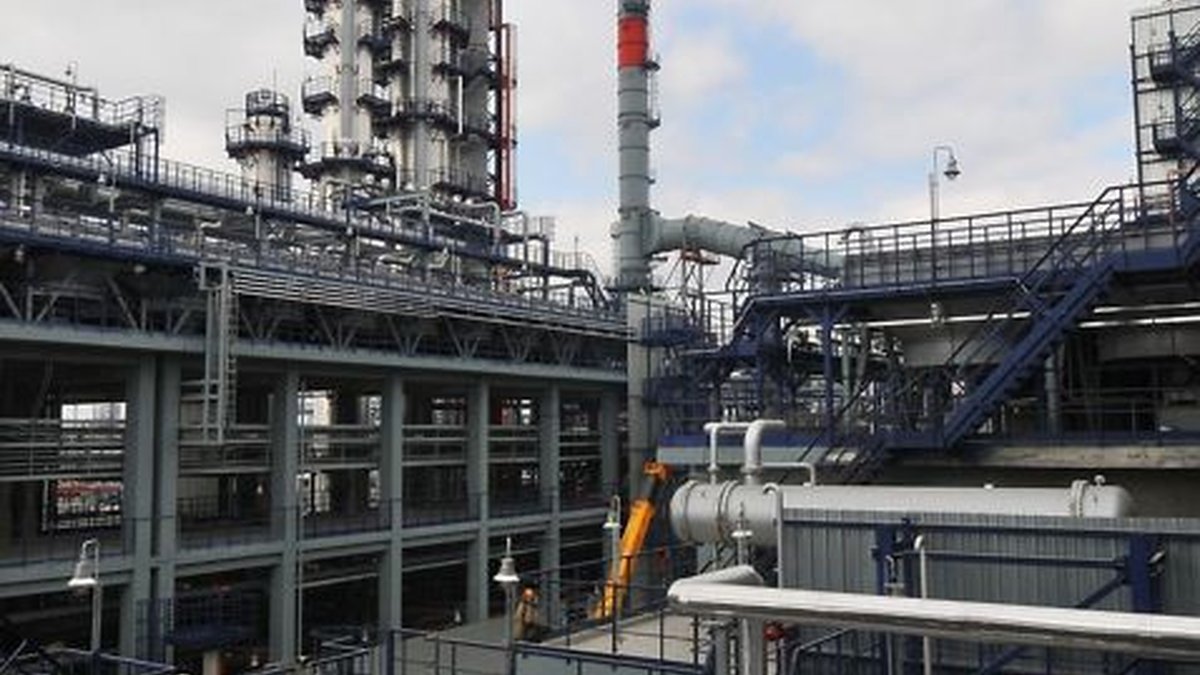
The incident at Ras Tanura, one of the world's largest oil processing and export complexes, witnessed powerful explosions, significant fires, and plumes of dense smoke visible for miles. While Saudi authorities initially reported that a localized fire was quickly brought under control and that operations were only temporarily halted, the psychological and strategic impact resonates far beyond the immediate physical damage. This attack, a stark reminder of Tehran's willingness to directly challenge regional stability, prompts critical questions about defense readiness, global energy security, and the future trajectory of one of the world's most volatile regions.
The Ras Tanura Strike: A Direct Hit on Global Oil Supply
The dawn attack on the Saudi Aramco facility in Ras Tanura was a calculated move, specifically targeting the heart of global oil exports. Utilizing advanced Shahed-136 drones, Iran struck a facility that processes a significant portion of Saudi Arabia's crude oil, destined for international markets. Eyewitness accounts and initial reports described a scene of chaos: "powerful explosions," followed by "fires," and "dense smoke rising over the industrial site." The sheer scale of the Ras Tanura complex, critical for sustaining a substantial share of global crude supply, makes it an exceptionally high-value target.
The strategic importance of Ras Tanura cannot be overstated. As the world's largest integrated oil terminal, it handles a colossal volume of crude oil and refined products daily. A sustained disruption here would not only cripple the Saudi economy but could also trigger an unprecedented energy crisis, affecting industries and consumers worldwide. The incident demonstrated Iran's evolving capabilities and its strategy of asymmetrical warfare, employing cost-effective drones to inflict potentially devastating damage on high-value targets. This tactic offers Tehran significant leverage, allowing it to project power and deter adversaries without engaging in direct, conventional military confrontation.
Unveiling Saudi Vulnerability: A Wake-Up Call for Air Defense
Perhaps one of the most alarming aspects of the Ras Tanura attack was the apparent failure of Saudi air defense systems to fully intercept the incoming drones. Despite massive investments in advanced military hardware, including Patriot missile systems from the U.S., the drones managed to penetrate the perimeter and strike the facility. This vulnerability is not new; similar attacks on other Saudi oil facilities, such as the Abqaiq and Khurais complexes in 2019, have previously exposed gaps in the Kingdom's defensive capabilities against low-flying, stealthy drone threats.
The incident necessitates an urgent reassessment of Saudi Arabia's strategic asset protection. Defending vast, dispersed critical infrastructure like oil refineries and pipelines from modern UAVs presents a unique set of challenges:
- Low Radar Signature: Drones like the Shahed-136 are designed to fly at low altitudes and often have small radar cross-sections, making them difficult to detect with traditional radar systems.
- Swarm Attacks: The use of multiple drones in a coordinated attack can overwhelm even sophisticated point-defense systems.
- Cost Asymmetry: The relatively low cost of producing and deploying drones compared to the expensive missile defense systems required to intercept them creates a significant economic burden for the defender.
- Geographic Scale: Protecting expansive industrial complexes across vast desert landscapes requires an immense and highly integrated defense network, which is difficult to maintain without gaps.
Practical Tip: To bolster defenses, Saudi Arabia and other regional powers need to explore multi-layered defense strategies. This includes a combination of early warning systems (like ground-based radar and airborne sensors), electronic warfare capabilities to jam drone signals, kinetic interceptors (both missile-based and laser/gun-based), and potentially AI-driven surveillance to rapidly identify and neutralize threats. Integrating intelligence, surveillance, and reconnaissance (ISR) data with defensive assets is paramount to preventing future incursions.
Broader Geopolitical Ripples: Fueling Mideast Tension and Market Volatility
The Ras Tanura strike is more than an isolated incident; it's a potent symbol of escalating tensions across the Middle East. Iran's stated policy is to target the infrastructure of nations supporting the United States and Israel, and this attack perfectly aligns with that strategy. The international community now anticipates a potential surge in global oil prices, given the threat of disruptions to fuel supplies. An attack on the world's largest export terminal inherently creates conditions ripe for a global energy crisis, sparking fears of Shahed-136 drones hit Saudi Aramco: energy crisis looms?
Moreover, the incident significantly increases the risk of Saudi Arabia becoming directly embroiled in an open military conflict with Iran. Such an escalation would have catastrophic consequences for regional stability, drawing in other global powers and potentially disrupting vital shipping lanes like the Strait of Hormuz. The lack of an immediate, detailed official statement from Riyadh concerning the extent of damages or casualties further amplifies the sense of uncertainty and urgency. Experts now rate the threat level as "extremely high," signaling that Tehran is prepared to hit economic centers of its adversaries, even at the risk of igniting a full-scale war.
Fact: Historically, even minor disruptions in the Middle East have led to significant spikes in oil prices. The 1973 oil crisis, triggered by geopolitical events, saw prices quadruple, highlighting the region's outsized influence on global energy markets.
A Pattern of Aggression: Beyond Ras Tanura
The attack on Ras Tanura is not an anomaly but part of a discernible pattern of Iranian aggression and proxy warfare that has been intensifying across the Middle East. Tehran's strategy appears to involve both direct and indirect attacks on critical infrastructure and military assets belonging to countries perceived as adversaries or allies of its primary foes, the U.S. and Israel. This wider context provides crucial insight into Iran's motivations:
- Response to Perceived Threats: Following reports of a joint U.S.-Israel operation against Iran, Tehran reportedly retaliated with missile and drone strikes on American military bases across the region. Bases in Qatar, Bahrain, the UAE, Saudi Arabia, Kuwait, and Jordan were allegedly targeted, demonstrating a broad reach and a willingness to confront U.S. presence directly.
- Targeting Israel: The reference context also highlights an attack on an Israeli refinery and shelling of Tel Aviv, causing significant damage and spreading fear. This suggests Iran is prepared to directly engage Israel, elevating the conflict beyond proxy skirmishes.
- Projection of Power: By demonstrating the ability to strike key economic and military targets across the region, Iran seeks to project its power, deter potential attacks on its own territory, and gain leverage in any future negotiations.
- Economic Warfare: Targeting oil infrastructure is a form of economic warfare, aiming to destabilize adversaries and potentially influence global energy markets to its advantage.
This escalating series of attacks underscores a dangerous shift in regional dynamics. Iran's actions signal a clear intent to challenge the established order and push back against perceived encirclement, even at the cost of broader destabilization.
The drone attack on Saudi Aramco's Ras Tanura facility serves as a stark reminder of the volatile state of the Middle East. It has exposed Saudi Arabia's continued vulnerability to asymmetric threats, confirmed Iran's persistent strategy of targeting critical infrastructure, and cast a long shadow over global energy security. As the world awaits official reactions and potential countermeasures, the incident has undoubtedly pushed the region closer to the brink of an open, large-scale conflict. The imperative for de-escalation, diplomacy, and robust international action has never been more critical to prevent a localized attack from spiraling into a devastating regional, and potentially global, crisis.